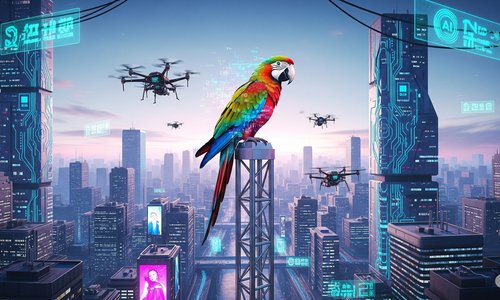
Muito se fala das aplicações de IA na medicina, direito, segurança, marketing, política e até nas artes, apresentando a sua magia ao treinar um algoritmo de IA para entender o estilo de um pintor, por exemplo, e gerar uma foto de Chicago pintada de acordo com o estilo de “O grito“ de Munch.


E para a educação?
IA pode contribuir significativamente para o processo de ensino e aprendizagem. Plataformas digitais já usam técnicas de IA, como processamento de linguagem natural, sistemas de recomendação, análise de agrupamentos, árvores de decisão, predição e classificação, para coletar, analisar dados e aprender o comportamento dos estudantes. Com isso fazem recomendações personalizadas de conteúdo e tarefas e cada aluno pode estudar de acordo com seu ritmo e suas dificuldades. A consequência desta personalização é aumentar o engajamento dos alunos e promover a evolução em seu conhecimento real.
Algoritmos de IA podem fazer predição de evasão e identificar as principais características dos estudantes e da instituição que impactam sobre este processo. Estas informações auxiliam os professores e gestores na tomada de decisão antes do problema ocorrer.
IA não substitui o professor, mas o auxilia nas tarefas repetitivas como correção de provas e redações, deixando-o mais livre para realizar tarefas mais importantes. No ENEM cada redação é corrigida por dois avaliadores, quando há discrepância entre as notas, a redação vai para um terceiro avaliador. Uma banca avaliadora faz a quarta correção no caso das três primeiras terem notas muito divergentes. O desenvolvimento de um algoritmo de IA para detectar fuga ao tema numa redação, ajudaria a poupar recursos humanos e financeiros. Caso o algoritmo detectasse a fuga ao tema, a redação seria encaminhada para um avaliador que verificaria este resultado. Desta maneira não seria necessária a contratação de um segundo avaliador (Passero et al,2017).
Entender o perfil do aluno auxilia o professor a agir no sentido de estimular seu aprendizado. Alunos proativos administram o tempo, não procrastinam, são intrinsecamente motivados e manifestam grande engajamento nas tarefas (Sinatra, et al 2015).
Motivação e proatividade usualmente são mensuradas através da aplicação de questionários (Bateman & Crant, 1983), (https://selfdeterminationtheory.org/questionnaires/). Porém pode ocorrer que o estudante responda às perguntas de acordo com a maneira que ele gostaria der ser , mas não como ele é realmente. Analisar os dados gerados a partir da interação do estudante com uma plataforma digital, fornece indicadores livres da desejabilidade.
Como olhar para uma grande massa de dados e identificar, altas habilidades, motivação e proatividade de uma turma de estudantes?
A figura abaixo mostra a quantidade de atividades realizadas por alunos do terceiro ano do ensino fundamental, em função do tempo. Estes dados foram extraídos da plataforma digital de aprendizagem de Matemática da Educacross.

O método de machine learning conhecido como k-means mostrou que há quatro grupos de alunos, bem característicos: grupo verde cujos integrantes realizam aproximadamente entre 400 e 1200 atividades, o grupo amarelo entre 200 e 400 atividades, o grupo roxo, entre100 e 200 e o grupo azul entre 0 e 100 atividades. No grupo verde os alunos realizam maior número de atividades em menor tempo. No grupo amarelo, o tempo gasto é um pouco maior, e nos grupos roxo e azul, há alunos que gastam muito tempo e realizam poucas atividades. Ainda no grupo verde há 3 outliers, alunos que realizaram o maior número de atividades no menor tempo. Estes dados indicam que os alunos no grupo verde são os mais motivados e proativos, os do grupo azul menos motivados e proativos, e os outliers além de motivados e proativos são alunos de altas habilidades.
O grande desafio é encontrar modelos que consigam descrever o perfil do aluno. Há outras características como grau de metacognição e persistência, que devem ser extraídas dos dados. Mas este é assunto para o próximo blog!
Para finalizar, outra abordagem da IA na educação é como um agente estimulador de aprendizagem. Estudantes desenvolvendo códigos que usam os paradigmas da inteligência artificial, podem aprender conceitos de diferentes áreas como cálculo, física, biologia.
A AI4All é uma organização sem fins lucrativos com base nos Estados Unidos cujo objetivo é aumentar a diversidade e a inclusão na educação em Inteligência Artificial. A Teens In AI é uma organização cujo objetivo é dar aos jovens de 12 a 18 anos, uma exposição aos conceitos de IA por meio da criação de uma a plataforma para aprendizado de máquina e ciência de dados.
Bibliografia
1-https://ai-4-all.org/
2-https://www.teensinai.com/
3-https://selfdeterminationtheory.org/questionnaires/
4-Bateman, T. S., & Crant, J. M. (1993). The proactive component of organizational behavior: A measure and correlates. Journal of organizational behavior, 14(2), 103-118.
5- Passero, G., Ferreira, R., Haendchen Filho, A., & Dazzi, R. (2017, October). Off-topic essay detection: a systematic review. In Brazilian Symposium on Computers in Education (Simpósio Brasileiro de Informática na Educação-SBIE) (Vol. 28, No. 1, p. 51).
6- Sinatra, G. M., Heddy, B. C., & Lombardi, D. (2015). The challenges of defining and measuring student engagement in science.